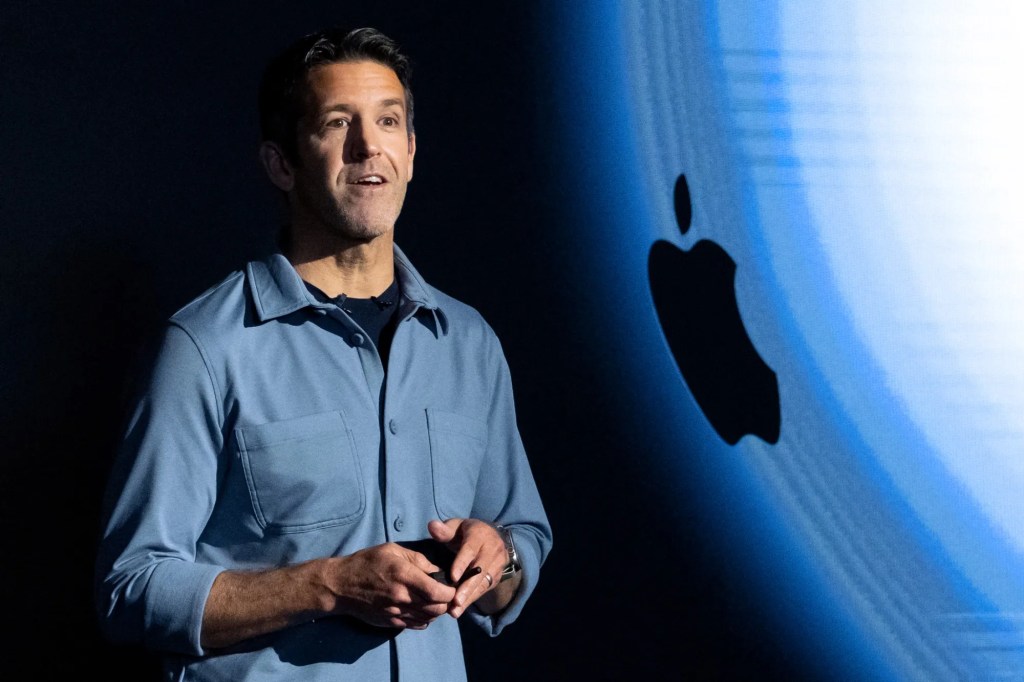
Apple Inc. reports quarterly earnings after the close on Thursday, but investors will be largely looking past the numbers and seeking clues to incoming Chief Executive Officer John Ternus’ strategic plans.
The iPhone maker announced last week that Ternus, its current head of hardware infrastructure, will take over for CEO Tim Cook on Sept. 1. That makes Apple’s fiscal second-quarter earnings report, outlook and conference call the first significant opportunity for Wall Street to get a reading on the new leader’s priorities. It isn’t clear if Ternus will appear on the call, and a company spokesperson declined to comment.
“It isn’t really about the numbers,” said Anthony Saglimbene, chief market strategist at Ameriprise. “We want to know what the CEO transition looks like.”
Ternus is taking over at a complex time for one of the world’s biggest companies, which is expected to debut a number of major products in upcoming months — notably a foldable iPhone. But while growth trends are improving, Apple has been grappling with skyrocketing costs for key components like memory chips and a volatile macro backdrop driven by the war in Iran and advances in AI that have minted stock market winners and losers.
“Investors have reason to be excited about Ternus since he was an overseer of some of Apple’s most successful recent products, but his strategy will be a long-term story,” said David Wagner, portfolio manager at Aptus Capital Advisors, which has about $14 billion in assets and holds Apple in a variety of portfolios. “In the short term, the impact of component costs will be the focal point.”
Apple shares are down less than 1% this year after a relatively disappointing 8.6% gain in 2025. By contrast, the technology-heavy Nasdaq 100 Index is up 7.7% in 2026 and the S&P 500 Index has gained 4.2%.
While the company is accelerating development of AI-powered hardware devices and features, it has also seen a number of delays with its own artificial intelligence products. However, Apple hasn’t followed its megacap peers in sinking tens of billions of dollars into building out AI infrastructure, which has diminished the stock’s correlation to the rest of the tech industry.
Earnings from the four biggest spenders — Alphabet Inc., Amazon.com Inc., Meta Platforms Inc. and Microsoft Corp. — after the bell on Wednesday offered a mixed bag on that theme. For example, Meta shares were punished in extended trading after the Facebook parent raised its expectations for capital expenditures in 2026. Meanwhile Alphabet’s stock jumped as its cloud computing unit reported strong growth, signaling that its AI investments are starting to pay off.
Wall Street expects Apple to report 19% earnings growth on a 15% jump in revenue, according to data compiled by Bloomberg. For the fiscal year, which closes at the end of September, analysts anticipate that revenue will climb 12%, nearly twice last year’s 6.4% pace and the fastest rate since 2021. However, that still trails the tech sector, which is expected to post revenue growth of more than 26% in 2026, according to Bloomberg Intelligence data.
The relatively slow expansion has made Apple’s stock more expensive. The shares trade at nearly 30 times estimated earnings, a sizable premium to their 10-year average of roughly 23. That gives Apple the second-highest valuation among the Magnificent Seven group of tech giants, trailing only Tesla Inc. and its nosebleed multiple of more than 180 times forward earnings.
“Apple is a quality name, which warrants a premium, but it continues to look pretty expensive relative to its growth,” said Matt Stucky, chief portfolio manager of equities at Northwestern Mutual Wealth Management Company, which manages around $5 billion.
This setup could put more pressure on Ternus to chart a path to stronger long-term growth, according to Stucky.
“If innovation from the new CEO can provide that, then there’s reason to be optimistic about Apple from here, and that optimism could keep the multiple strong or even push it higher,” he said. “Right now, we don’t know what that growth catalyst could be. If the strategy is more about grinding out market-share gains, keeping products refreshed, that would be good but not game-changing.”
The soaring cost of memory chips is one of the biggest factors in the company’s outlook. Memory is a major part of the buildout of artificial intelligence infrastructure, and the aggressive spending on AI has created a supply crunch. An index of spot prices for dynamic random-access memory, or DRAM, chips has risen more than 500% since the end of August.
That said, Apple is better positioned to absorb higher costs than many of its rivals due to its size and balance-sheet strength. For example, it recently rolled out a less expensive version of the MacBook designed to improve the company’s market share in lower-end laptops. However, the longer memory prices stay elevated the more the impact is expected to spread, potentially hitting Apple’s bottom line.
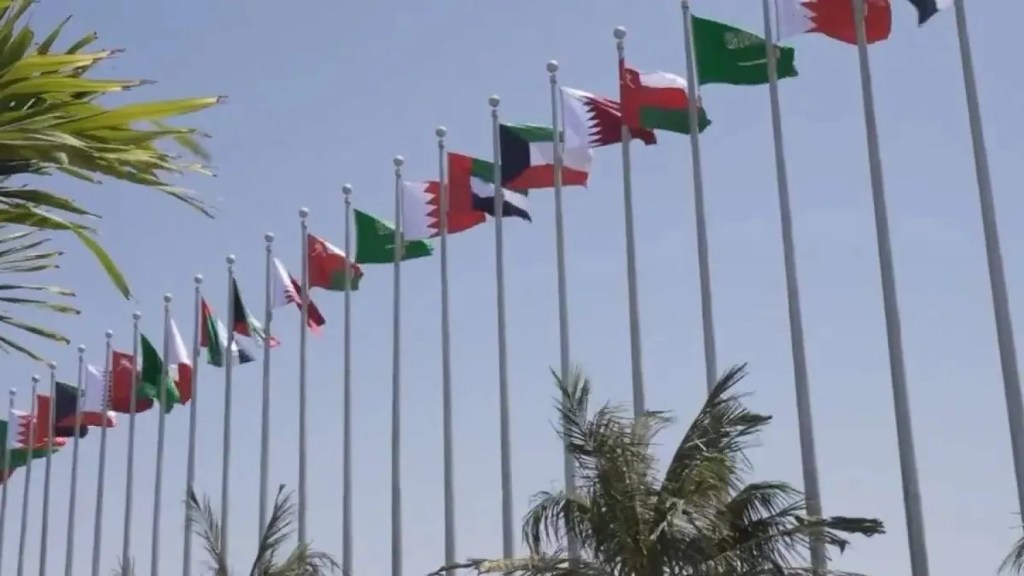
Gulf leaders meeting in Jeddah this week urged faster progress on joint projects and deeper military integration, seeking to reinforce collective security and economic coordination amid heightened regional tensions.
In a statement after the consultative summit on Tuesday, GCC Secretary-General Jasem Albudaiwi said leaders called for accelerating completion of requirements to link all shared Gulf projects, including transport and logistics. They stressed speeding up implementation of the Gulf railway, advancing electricity interconnection, and taking prompt steps toward oil and gas pipeline and water-link projects.
The statement also pointed to studying strategic Gulf stockpiles, while emphasizing intensified military integration and faster completion of a joint early warning system against ballistic missiles.
The direct wording – repeating terms such as “accelerate” and “urgency” – reflected a push for concrete outcomes and highlighted Saudi Arabia’s initiative in convening the summit amid complex regional conditions.
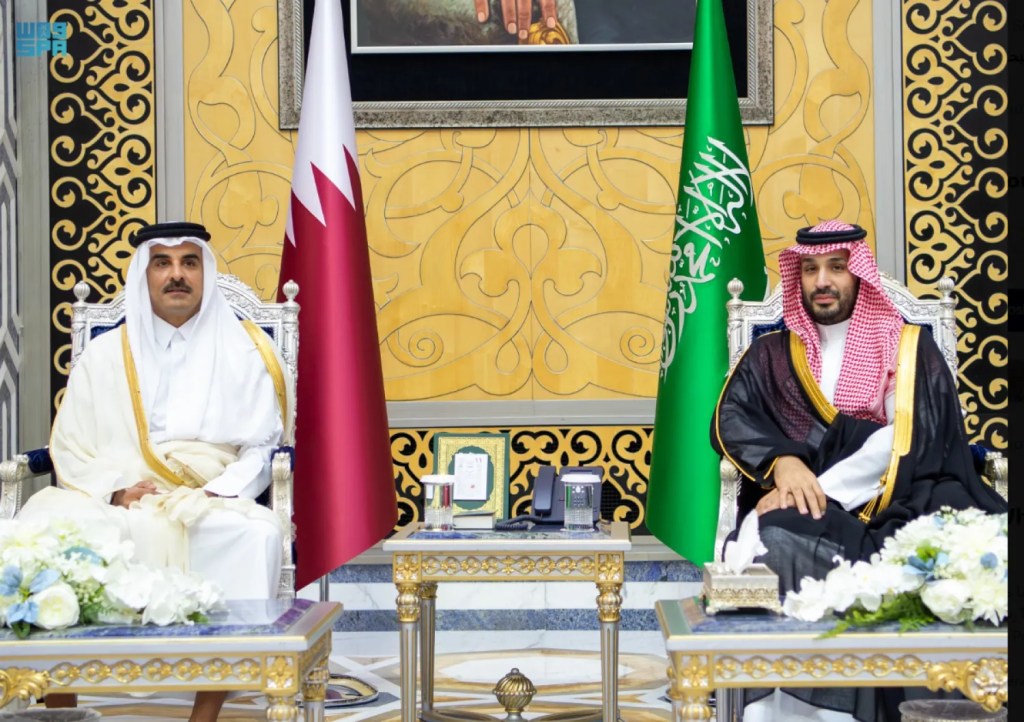
Qatar’s Emir, Sheikh Tamim bin Hamad Al Thani, said the meeting reflected Gulf unity. “Our consultative summit today in Jeddah embodies a unified Gulf position toward current developments and the need to intensify coordination and consultation,” he stated, adding that this would strengthen diplomatic efforts, safeguard regional security and stability, and support development and prosperity.
Extending Gulf leadership efforts
Abdulaziz Sager, chairman of the Gulf Research Center, told Asharq Al-Awsat that the summit was convened in response to conditions facing the Gulf region following the US-Israeli-Iranian war, aiming to coordinate GCC positions and contain its repercussions.
The goal is to enhance efforts to address this crisis and its consequences – security, economic and otherwise – to stabilize the region, safeguard GCC interests and strengthen collective security, he underlined.
Sager added that the summit builds on efforts led by Saudi Crown Prince Mohammed bin Salman and other Gulf leaders, within the broader vision of King Salman bin Abdulaziz to strengthen joint Gulf action, deepen economic unity, and develop defense and security systems toward more sustainable integration.
He revealed that these discussions also addressed reinforcing Gulf unity to better manage current challenges and anticipate future crises.
Toward independent Gulf decision-making
Sager said the summit is expected to build on the GCC success in confronting Iranian missile and drone attacks, using that experience to develop a comprehensive defense strategy, which would focus on modern armament suited to evolving warfare, training, and external defense partnerships, while reinforcing self-reliance.
Leaders reaffirmed the right of GCC states to self-defense, individually or collectively, under Article 51 of the United Nations Charter, and to take all measures to protect sovereignty, security and stability. They stressed full solidarity among member states and that their security is indivisible, with any attack on one considered an attack on all, in line with the joint defense agreement.
Albudaiwi said leaders praised the “courage and high readiness” of GCC armed forces in defending against Iranian attacks, noting their ability to intercept missiles and drones with professionalism and efficiency while safeguarding national assets.
Alternative routes on the agenda
Sager noted that developing alternative corridors to secure energy supply chains will likely be a key focus in the coming period, reflected in leaders’ directives to move ahead with pipeline projects and transport infrastructure.
Political analyst Ahmed Alibrahim agreed, saying the summit statement underscored Saudi Arabia’s role in securing supply chains during the crisis and working on alternative energy routes, including through the East-West pipeline, as part of addressing risks linked to the Strait of Hormuz.
He described the statement as unusually direct. “This is one of the rare times we see a clear and explicit communiqué with firm directives, especially regarding future requirements and open-ended scenarios,” he said, citing uncertainties including potential setbacks in US-Iran negotiations or other serious developments.
For his part, political analyst Mohammed Al-Dossary believes that the importance of the GCC lies in its ability to navigate many crises, including the Iraq-Iran War and Iraq’s occupation of Kuwait.
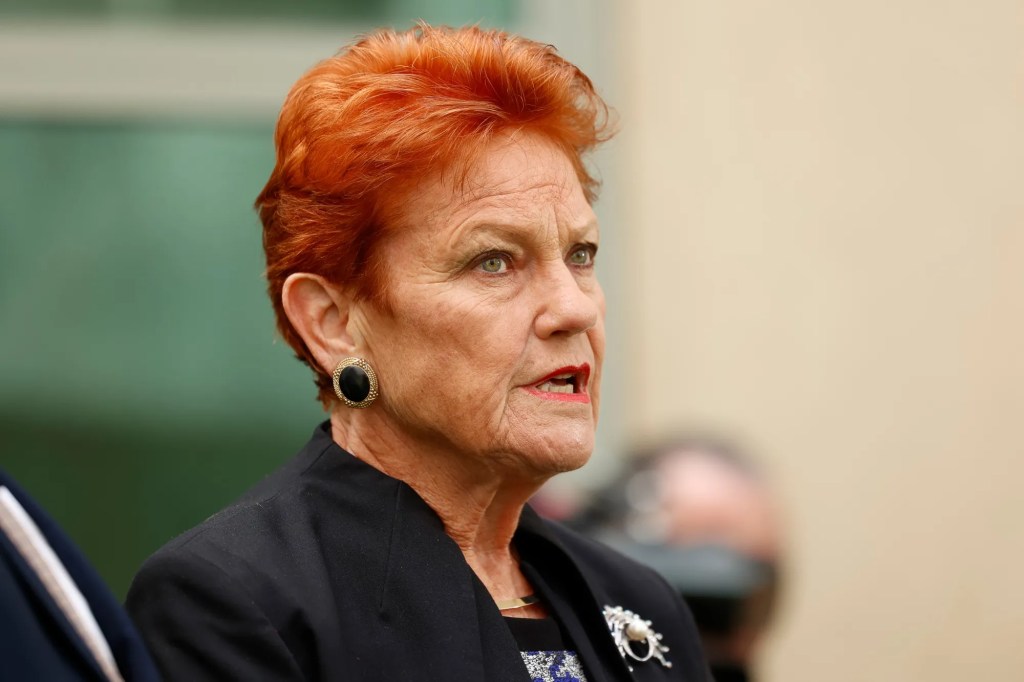
Australia’s richest person, Gina Rinehart, has donated a plane to Pauline Hanson, the leader of the country’s hard-right One Nation Party.
In a social media post on Wednesday, Hanson unveiled the plane and said it would enable her to visit more areas across the country as One Nation drums up support ahead of 2028 federal elections.
Hanson’s social media post also outlined A$2 million ($716,000) from four donors. This included A$500,000 each from Adam Giles, chief executive officer of Rinehart’s Hancock Agriculture and a former chief minister of the Northern Territory, and Ian Plimer, an executive director at Hancock Energy.
“We have a lot of additional fundraising to undertake between now and the cut off in December to combat the uni-party ahead of the 2028 federal election,” Hanson wrote on social media.
Australia’s richest person, Gina Rinehart, has donated a plane to Pauline Hanson, the leader of the country’s hard-right One Nation Party.
In a social media post on Wednesday, Hanson unveiled the plane and said it would enable her to visit more areas across the country as One Nation drums up support ahead of 2028 federal elections.
Hanson’s social media post also outlined A$2 million ($716,000) from four donors. This included A$500,000 each from Adam Giles, chief executive officer of Rinehart’s Hancock Agriculture and a former chief minister of the Northern Territory, and Ian Plimer, an executive director at Hancock Energy.
Observers said Saudi Arabia’s hosting of a consultative meeting of the Gulf Cooperation Council (GCC) in Jeddah on Tuesday underscores a push by Prince Mohammed bin Salman, Saudi Crown Prince and Prime Minister, to bolster joint Gulf work, contain the fallout of the current security and economic crisis, and ensure that solutions to the conflict ensure the interests of the GCC.
Recent developments and their unprecedented repercussions have exposed a major shift in the regional security order, underscoring the need for stronger Gulf cooperation and a more integrated crisis-response strategy.
Containing fallout
Informed sources said Saudi Arabia, alongside fellow Gulf states, has led diplomatic efforts to avoid escalation in the region.
GCC countries have repeatedly stressed their territories will not be used to launch attacks against Iran, seeking to prevent a wider conflict and its economic and security consequences.
Despite this, Iran and allied militias have expanded the conflict through unjustified attacks on GCC states.
Political analyst Munif Al-Harbi told Asharq Al-Awsat that Saudi Arabia has condemned Iranian attacks targeting the Kingdom, GCC states, and several Arab and Islamic countries, warning of escalation, breaches of international law, and threats to regional stability.
He said Riyadh considers GCC security indivisible, with any attack on one member treated as an attack on all, underscoring the need to protect shared interests.
Al-Harbi said the crisis has reinforced the urgency of deeper Gulf integration and stronger defense coordination. He said GCC states have shown a strong ability to intercept most missile and drone attacks, reflecting the resilience of their defense systems.
He added that economic and logistical coordination has also intensified, with Saudi Arabia helping stabilize global markets by maintaining oil exports.
Fragile ceasefire
Political analyst Khaled Al-Habbas agreed, saying the summit came at a sensitive moment shaped by stalled negotiations and a fragile ceasefire.
He underscored the consistent GCC stance since the start of the war, including support for the Pakistani mediation and efforts to ensure a Gulf voice at the negotiating table, even without direct participation, given the damage Gulf states have sustained from the Iranian attacks, including the closure of the Strait of Hormuz.
Al-Habbas said the summit is expected to reaffirm Gulf unity, condemn Iranian attacks, and back ongoing mediation efforts.
He said it would likely stress reopening the Strait of Hormuz in line with international law, reject any unilateral Iranian arrangements, and highlight risks linked to Iran’s nuclear and missile programs and its regional proxies, as well as continued attacks on some Gulf states even after the ceasefire.
Both analysts said the summit will stress tighter coordination across defense, logistics, and supply chains, which they said has helped limit the war’s impact on GCC states.
The summit is also expected to back regional and international efforts toward a political settlement addressing all aspects of the conflict and Gulf concerns over Iran’s conduct.
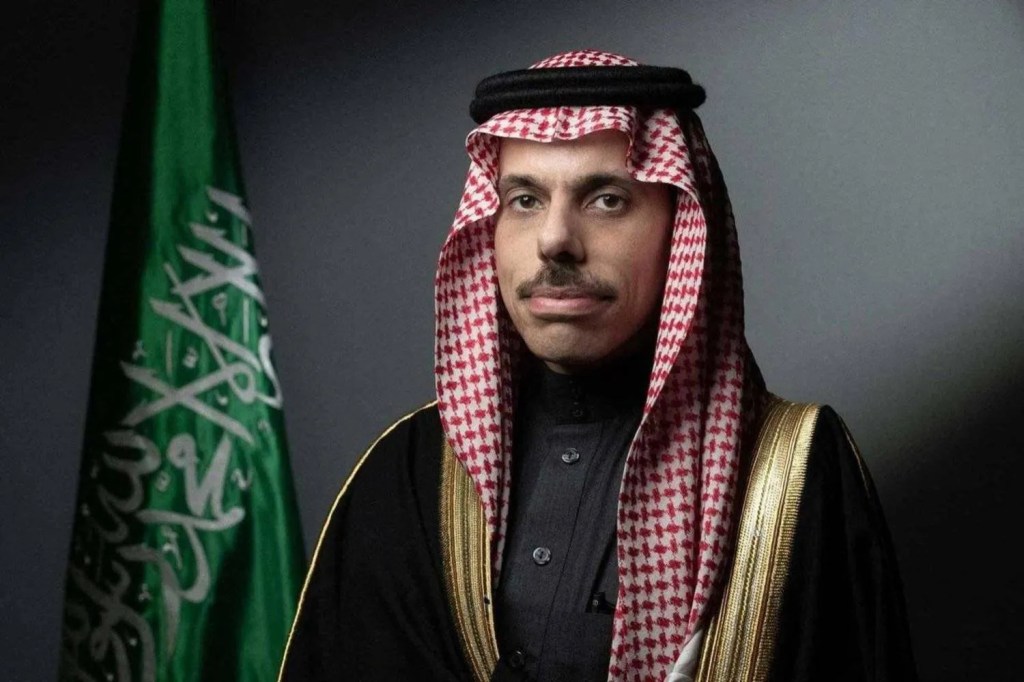
Saudi Minister of Foreign Affairs Prince Faisal bin Farhan bin Abdullah received a telephone call on Tuesday from UN Secretary-General António Guterres.
The Gulf summit, which was chaired on Tuesday by Saudi Crown Prince Mohammed bin Salman, discussed the regional situation.
It affirmed the necessity of restoring navigation security in the Strait of Hormuz and strongly condemned the flagrant Iranian aggressions against the Gulf Cooperation Council (GCC) states and Jordan.
GCC Secretary-General Jasem Albudaiwi affirmed in a statement that the summit was held at the invitation of the Saudi leadership and discussed ways to find a diplomatic path to end the crisis and pave the way for agreements and understandings that address the concerns of the Gulf states and enhance long-term security and stability.
He clarified that the leaders expressed strong condemnation and denunciation of the flagrant Iranian aggressions against the Gulf states and Jordan, emphasizing that these treacherous attacks have led to a sharp loss of confidence by the Gulf states in Iran.
Albudaiwi noted that the leaders praised the ability demonstrated by the Gulf states to deal with the challenges they faced due to this crisis, pointing out that the leaders expressed their categorical rejection of illegal Iranian measures to close the Strait of Hormuz and obstruct navigation in it, affirming the necessity of restoring navigation security and freedom and returning the situation in the Strait to what it was before February 28.
Albudaiwi also highlighted that the leaders of the Gulf states directed the urgency of completing the requirements for achieving access to all joint Gulf projects, including transport and logistics services, along with accelerating the implementation of the GCC railway project.
The Secretary-General of the Council further noted the leaders’ affirmation of the importance of promptly taking steps towards establishing an oil and gas pipeline project, a water linkage project between the Gulf states, and moving forward with studying the creation of strategic Gulf reserve areas, in addition to the importance of intensifying military integration among the Council’s states and accelerating the completion of the ballistic missile early warning system project. https://english.aawsat.com/gulf/5267626-jeddah-summit-stresses-importance-restoring-navigation-security-hormuz
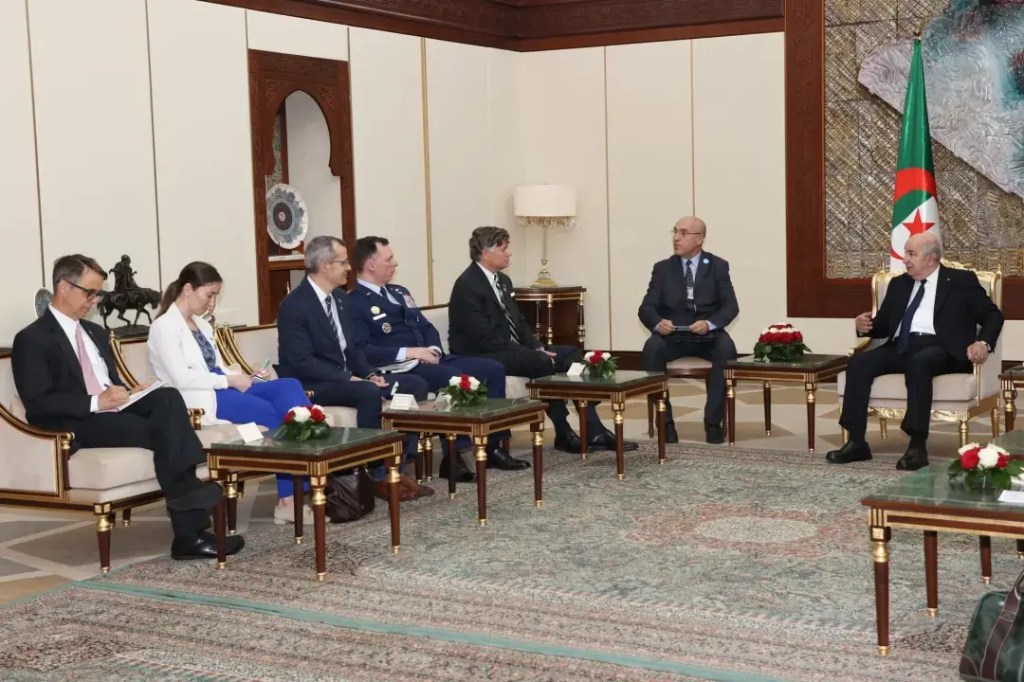
ALGIERS – The President of the Republic, Abdelmadjid Tebboune, Commander-in-Chief of the Armed Forces, Minister of National Defence, received Tuesday in Algiers the Deputy Secretary of State of the United States of America (USA), Christopher Landau, and General Dagvin Anderson, Commander of the United States Africa Command (AFRICOM), and their accompanying delegation.
The meeting was attended by General Saïd Chanegriha, Deputy Minister to the Minister of National Defence, Chief of Staff of the People’s National Army (PNA), Boualem Boualem, Chief of Staff to the Presidency of the Republic, Ahmed Attaf, Minister of State, Minister of Foreign Affairs, the National Community Abroad and African Affairs, Amar Abba, Advisor to the President of the Republic in charge of diplomatic affairs, and Algeria’s Ambassador to Washington, Sabri Boukadoum. https://www.aps.dz/en/presidency-news/moixoa2f-president-tebboune-receives-us-deputy-secretary-of-state-africom-commander
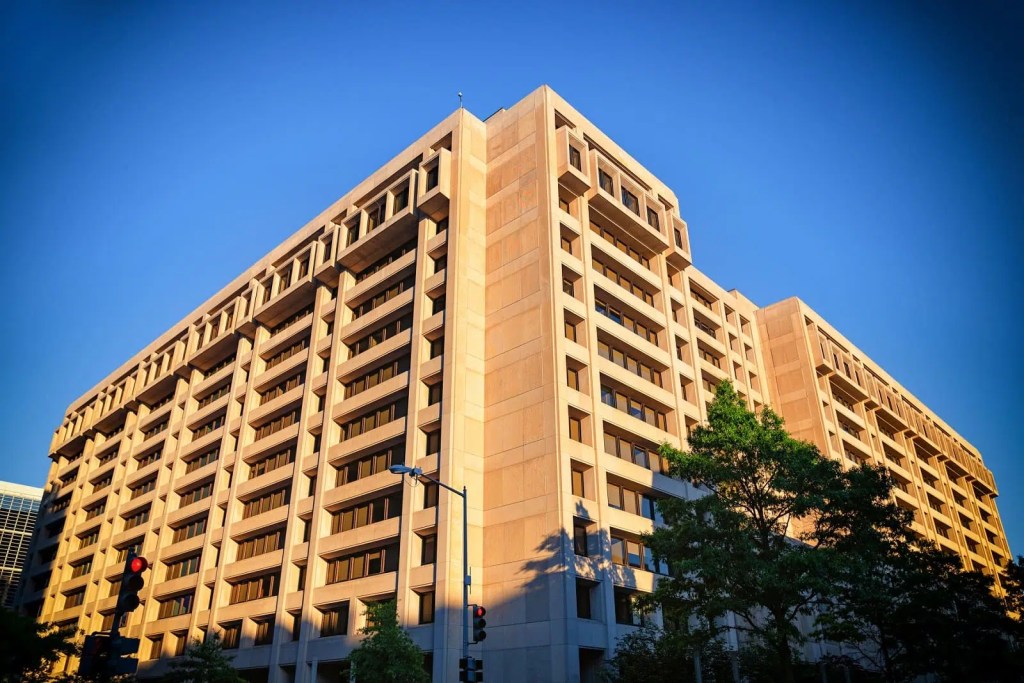
Colombia has fully repaid the debt it incurred with the International Monetary Fund (IMF) during the 2020 pandemic. The country returned about US$5.4 billion, corresponding to the flexible credit line requested six years ago to confront the economic shock of COVID-19, thus closing a key and controversial chapter of its recent fiscal policy.
The payment brings to an end a commitment that, beyond the financial aspect, was surrounded by political debate. The decision to resort to this instrument, taken during the government of Ivan Duque (2018–2022), has been questioned by the current president, Gustavo Petro, who has insisted that the country assumed high costs for a strategy he considers debatable.
In addition, Petro insists that Colombia was the only country in the world to request this type of economic assistance, something that Duque has categorically denied, which led to a new — and by now habitual — confrontation between the two through social media.
Colombia pays off US$5.4B in IMF debt incurred during the pandemic
This week, Finance Minister German Avila reported on the repayment of the debt at an economic forum convened by the executive branch. “The total debt with the IMF has been paid, incurred under the Duque administration, and repaid in a very short period. This means that Colombia is no longer subject to the onerous conditions that the IMF imposes on debtor countries,” the minister said, in a remark that was later echoed by President Petro on social media.
In 2020, with the global economy paralyzed by the spread of COVID-19, Colombia turned to the IMF’s Flexible Credit Line as a backstop amid uncertainty. This instrument, designed for countries with solid macroeconomic fundamentals, allows immediate access to resources without the traditional conditionalities of other programs run by the institution.
The government at the time defended the decision as a preventive measure. The line did not necessarily imply an immediate full disbursement, but rather functioned as insurance against potential tensions in international markets. However, given the magnitude of the crisis, the country ultimately used part of those resources to sustain public spending and mitigate the effects of the recession.
Over the years, the credit ceased to be seen solely as a technical tool and came to occupy a central place in political confrontation. Colombia’s current president, Gustavo Petro, has on several occasions questioned the use of this mechanism, arguing that it involved the payment of high interest and that it was not the only available alternative.
From his perspective, Colombia took on an unnecessary financial burden in a context in which other countries opted for different strategies. Petro has even claimed that the country was the only one to resort to this type of financing under similar conditions, an argument that has been challenged by economists and by sectors close to the previous government.
Ivan Duque, for his part, has defended the decision as responsible and aligned with the recommendations of international organizations. In his view, the Flexible Credit Line helped strengthen market confidence, prevent a deeper economic deterioration, and guarantee liquidity at a critical moment. He has also emphasized that this type of instrument has been used by other emerging economies in contexts of high volatility.
The controversy, in fact, is not new. Since the agreement was approved, experts have debated its convenience, its cost, and its long-term impact. While some consider it a prudent decision that helped stabilize the economy, others argue that it unnecessarily increased the country’s debt.
Was Colombia the only country to request this type of loan from the IMF?
Following the announcement of the end of the debt, a dispute arose between the current government and the one that requested the credit over its necessity and conditions. Petro boasted that his administration fulfilled the country’s obligations and repaid a loan he had always criticized, which quickly drew a response from the main figure targeted: former president Duque, who defended his decision to seek this support.
“Oh, Gustavo, four years and you still couldn’t learn about public finances. You repaid a loan taken on by the Colombian state under the best conditions with the IMF to confront a pandemic at a time of global crisis,” Duque wrote, before going on to question the state of the public finances that the Petro administration would leave for the coming years.
“On the contrary, you are leaving future generations the highest fiscal deficit of the century, a debt cost that is double what it was in 2022, and the country’s fiscal credibility in tatters,” the former president added, concluding his remarks with an ironic question about “the rate at which debt is being issued today” by the Petro government, in reference to a rate even higher than the one obtained from the IMF in 2020.
Amid the controversy on social media, Petro repeated that Colombia had been the only country in the world to use this type of IMF credit, a claim that was challenged by former Deputy Finance Minister under Duque, Andres Pardo.
“It is false that Colombia was the only country on the planet that took out a loan with the IMF during the pandemic. According to official IMF data, more than 80 countries received emergency financing from the institution, totaling more than US$110 billion,” he said.
He added: “Colombia, in particular, received US$5.3 billion in financing during the government of Ivan Duque, and had one of the most favorable loans of all: Access to the Flexible Credit Line, with immediate disbursement and no conditionality.”
Meeting obligations to creditors and closing a chapter
Beyond the political debate, the fact is that Colombia met its obligations. The full repayment of the debt reflects a fiscal management strategy aimed at reducing exposure to external commitments and improving debt sustainability indicators.
The timely fulfillment of these payments also has implications in terms of international credibility. For markets and investors, the fact that the country honored its commitments reinforces the perception of stability and fiscal discipline, a key factor in a global environment marked by uncertainty.
In addition, the end of this obligation frees up space in public finances, which could allow for greater flexibility to face new economic challenges. However, this does not mean that fiscal pressures disappear, especially in a context of economic slowdown and growing social demands.
The end of this debt marks the close of a period that began at one of the most critical moments in recent history. The pandemic forced governments to make rapid and, in many cases, exceptional decisions. In that context, the IMF’s Flexible Credit Line was one of the tools chosen by Colombia to confront the crisis.
Today, with the debt fully repaid, the country leaves that episode behind, although the debate over its appropriateness persists. The discussion between Gustavo Petro and Iván Duque reflects different visions on how to manage the economy in times of crisis and on the role of international organizations in national finances.
What is not in dispute is the final outcome: Colombia met its obligations to its creditors and closed the financial chapter of the pandemic with respect to this credit. It remains to be seen how this decision will be interpreted in the long term and what lessons it leaves for future crises. https://colombiaone.com/2026/04/23/colombia-pays-off-imf-debt-incurred-during-the-pandemic/
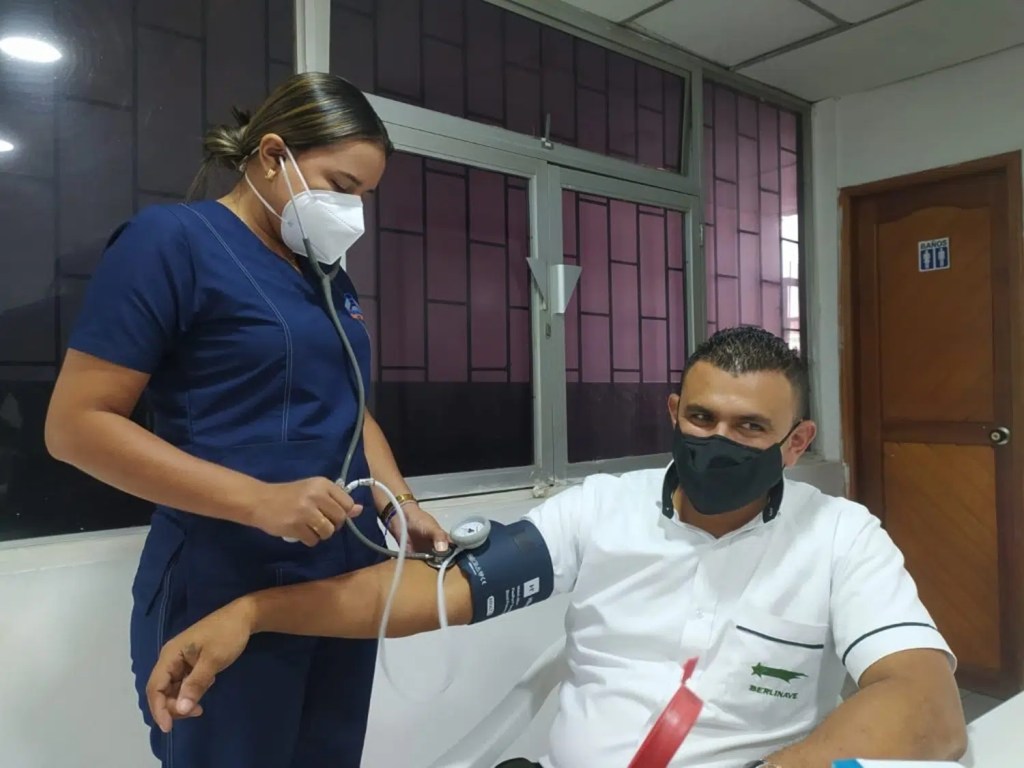
The Ombudsman’s Office has just presented one of the most discouraging reports on the state of health in Colombia. For several years, the tutela (a legal action to protect a person’s fundamental rights) has become the most important tool to protect this fundamental right, something that has been proven because in the country these actions went from more than 265,000 in 2024 to around 312,500 in 2025, which translates into an increase of close to 47,500 cases (17.9%) and confirms the persistence of structural barriers in effective access to that right.
According to the entity in charge of protecting and promoting human rights, which presented its report at the Book Fair taking place in Bogota, health-related tutelas account for 34 percent of the total of these legal actions, consolidating themselves as one of the main causes of judicialization in Colombia.
The figures, based on information from the Constitutional Court, show that, for thousands of people in Colombia, the tutela action continues to be the main — and in many cases the only — mechanism to access health services and medications on time.
The diseases for which tutelas are most frequently filed
In this wave of tutelas, those filed for diseases of the circulatory system lead the list (12.2 percent), followed by those corresponding to osteomuscular, neurological, and endocrine conditions. Hypertension is the most frequent diagnosis, and there is also a significant presence of mental disorders such as anxiety, autism, and depression. The most complex diseases — such as cancer, severe neurological pathologies, and severe epilepsy — are overrepresented in tutelas.
On the other hand, the cost of these cases is, on average, 20% higher than that of general care, which reflects greater barriers to access for high-complexity conditions. Added to this is the fact that the report shows an inverse relationship between poverty and judicialization: Departments with high levels of poverty, such as Vichada, La Guajira, and Choco, record the lowest rates of tutelas. In contrast, regions with lower poverty show significantly higher rates.
Faced with this situation, the Ombudsman’s Office offers another bleak reading: The most vulnerable populations face a double exclusion: Difficulties in accessing both health services and justice. The low level of judicialization in these territories does not reflect better conditions, but rather greater structural barriers. In addition, 39.57% of health tutelas correspond to subjects of special constitutional protection. Among them are people with disabilities (15.37%), older adults (24.65%), and people with serious illnesses (35.30%).
A structural reform of the health system is necessary
On the other hand, persons deprived of liberty have the highest rates of judicialization, revealing serious failures in care within the penitentiary system. The Ombudsman’s Office warns that the high recurrence of tutelas in these groups reflects structural gaps and the lack of effective application of a differential approach in guaranteeing the right to health.
“Health cannot continue to depend on judicialization,” warned Ombudswoman Iris Marin Ortiz. “A system that forces citizens to resort massively to tutela shows failures in its capacity to respond, in guaranteeing timeliness, and in the continuity of care. The high rate of granting of these actions, close to 74.3%, shows that in most cases there is a real violation of rights.”
The Ombudsman’s Office concluded that what is happening reveals structural failures of the system, associated with problems of financing, management, access, and deep territorial inequalities. These findings demand a structural reform of the health system so that effective access is guaranteed, judicialization is reduced, and the needs of the population are addressed promptly. The entity also called for a rigorous look at the deep territorial and social inequalities revealed by this phenomenon. https://colombiaone.com/2026/04/23/tutela-access-health-increases-colombia/
The reconstruction of the Gaza Strip is shaping up to be one of the most complex humanitarian, economic, and political challenges of the past decade. After more than two years of war that have left widespread destruction and an unprecedented humanitarian crisis, the United Nations and the European Union have put forward a figure that captures the scale of the challenge: at least US$71.4 billion will be required to rebuild the territory over the next ten years.
This estimate reflects not only the level of physical devastation but also the deep and lasting social and economic damage suffered by Gaza’s population, which now faces a reality where reconstruction is no longer a distant goal but an urgent necessity to restore even the most basic conditions of life.
To better understand what this number represents, it helps to place it into a more familiar context. In a country such as Colombia, US$71.4 billion would translate to more than 280 trillion Colombian pesos, an amount that far exceeds the annual budgets allocated to key sectors such as education and healthcare in recent years.
One of the clearest ways to grasp its magnitude is by comparing it to one of Colombia’s most pressing fiscal challenges, the accumulated debt in the health care system, which, according to official figures, is estimated to range between 24 and 33 trillion pesos (roughly about US$5.5 billion to US$8.5 billion).
In practical terms, the amount required to rebuild Gaza would be sufficient to cover that health care debt several times over, while still leaving room for investment in hospitals, expanded coverage, and structural improvements to the system. This comparison highlights how the scale of Gaza’s reconstruction is not just large — it is equivalent to resolving critical sectoral crises in an entire country.
The joint report, prepared in coordination with the World Bank, provides a comprehensive snapshot of a territory where basic infrastructure has collapsed, and daily life has been fundamentally disrupted. Homes, hospitals, schools, and essential public services have been destroyed or severely damaged, leaving the majority of the population displaced and living in extremely precarious conditions.
In this context, reconstruction goes far beyond rebuilding structures; it requires restoring an entire social and economic fabric that has been nearly dismantled, where millions of people have lost not only their homes but also their sources of income, access to education, and community support systems that once sustained everyday life.
Unprecedented destruction is reshaping Gaza’s present and future
Widespread destruction across Gaza has displaced millions, highlighting the urgent need for large-scale reconstruction. Credit: Europa Press X Account Courtesy / Public Domain
Since the conflict began in October 2023, the Gaza Strip has been the scene of intense confrontation between Israel and Hamas, resulting in devastating consequences for civilians. According to figures from Gaza’s Ministry of Health, which the United Nations considers reliable, more than 72,000 people have been killed, the majority of them civilians.
This figure alone reflects the immense human cost of the war, but it also underscores the urgency of initiating a recovery process that can restore minimum living conditions in a territory where violence has left deep and lasting scars across all aspects of society, from family structures to economic systems.
The report, titled ‘Rapid Damage and Needs Assessment for Gaza’, concludes that the impact of the war has set back the territory’s human development by approximately 77 years. This is an overwhelming reversal that illustrates how deeply the conflict has eroded decades of progress in areas such as healthcare, education, and overall quality of life.
The destruction is visible not only in the collapsed structures that now dominate the landscape but also in the loss of opportunity for an entire generation that has grown up amid instability, displacement, and limited access to essential services, raising serious concerns about long-term social and economic recovery.
One of the most alarming findings of the UN report is the scale of internal displacement. An estimated 1.9 million people—more than 60% of Gaza’s population—have been forced from their homes, often multiple times. This constant movement has created a prolonged and deeply complex humanitarian crisis, fragmenting communities and weakening the social cohesion necessary for recovery.
Families who have been displaced repeatedly face immense challenges in accessing healthcare, education, and employment, making it significantly more difficult to stabilize their lives and participate in rebuilding efforts.
The cost of physical destruction is equally massive. The report estimates that damage to infrastructure amounts to approximately US$35.2 billion, including the destruction of residential buildings, healthcare facilities, educational institutions, and essential public utilities.
In addition, economic and social losses are estimated at US$22.7 billion, reflecting the collapse of economic activity and the widespread deterioration of living standards. These figures highlight that Gaza’s recovery is not simply about rebuilding what was lost but about addressing a profound structural collapse that has affected every layer of society.
The financial challenge and the fragile conditions required for rebuilding
While the overall cost of reconstruction is immense, the report emphasizes that the most urgent needs lie in the initial phase of recovery. Approximately US$26.3 billion will be required within the first 18 months to restore essential services such as water, electricity, and healthcare, rebuild critical infrastructure, and begin revitalizing the local economy.
This early phase will be crucial in preventing further deterioration of living conditions and in creating a foundation upon which longer-term recovery efforts can be built.
Given the scale of the challenge, the United Nations and the European Union stress that reconstruction efforts must proceed in parallel with humanitarian assistance. Addressing immediate needs such as food, shelter, and medical care is essential, but it must be accompanied by a structured transition toward large-scale reconstruction.
Without this dual approach, there is a risk that Gaza could become trapped in a prolonged cycle of dependency on international aid, limiting its ability to achieve sustainable development and long-term stability.
Another key element highlighted in the report is the need for reconstruction to be led by Palestinians themselves. The active involvement of local communities and institutions is essential to ensuring that rebuilding efforts are both effective and sustainable. In this context, the Palestinian Authority is expected to play a central role in coordinating efforts and facilitating the gradual restoration of governance structures within the territory. This local leadership is seen as critical to fostering a sense of ownership and accountability in the reconstruction process.
The report also references United Nations Security Council Resolution 2803, which outlines a framework for supporting Gaza’s recovery. However, the implementation of this framework depends on several conditions that remain uncertain.
Chief among these are the establishment of a sustained ceasefire, the provision of unrestricted humanitarian access, and the free movement of people, goods, and construction materials within and beyond Gaza. Without these conditions, the report warns, any attempt at reconstruction is likely to face significant obstacles and could ultimately fail.
Security remains one of the most critical challenges. Without a stable environment, it will be difficult to attract the level of investment required to finance reconstruction efforts and ensure their successful implementation. Insecurity not only deters investors but also poses serious risks to humanitarian workers and organizations operating on the ground, potentially slowing or halting progress at critical stages of the recovery process.
Lessons from other conflict zones show that reconstruction without stability is rarely sustainable and often leads to repeated cycles of destruction.
Rebuilding lives, not just infrastructure, in a fragile and uncertain future
Reconstruction in Gaza cannot be viewed solely as a physical process of rebuilding infrastructure; it is also a deeply human and political challenge that raises important questions about the territory’s future. Beyond restoring what existed before the war, there is an opportunity to rethink Gaza’s development model and to build a more resilient and inclusive economy capable of withstanding future shocks. This would require not only investment in infrastructure but also in education, healthcare, and economic diversification.
The role of the international community will be decisive in shaping this outcome. Mobilizing more than US$71 billion will require unprecedented coordination between governments, multilateral institutions, and private sector actors. However, funding alone will not guarantee success. Ensuring transparency, efficiency, and accountability in the use of resources will be critical to maximizing their impact and building trust among both donors and local communities.
At the same time, Gaza’s reconstruction cannot be separated from the broader political context of the Israeli-Palestinian conflict. Without meaningful progress toward a political resolution, there is a significant risk that reconstruction efforts could be undermined by renewed violence. The history of the region demonstrates that cycles of destruction and rebuilding can repeat if underlying tensions are not addressed, making long-term stability difficult to achieve.
The human dimension of the crisis is perhaps the most difficult to quantify. Behind every statistic are millions of individual stories of loss, displacement, and resilience.
Rebuilding Gaza means restoring dignity to its people and providing them with the opportunity to rebuild their lives in a safer and more stable environment. This includes ensuring access to quality health care, education, and employment opportunities, all of which are essential for long-term recovery and social cohesion.
Investing in human capital will therefore be just as important as rebuilding physical infrastructure. The restoration of schools and hospitals is not only about meeting immediate needs but also about laying the foundation for future generations to thrive. Without these investments, reconstruction efforts risk being incomplete and insufficient to support sustainable development over time.
The logistical challenges of rebuilding Gaza are also considerable. Transporting materials, coordinating projects, and managing resources in a territory with damaged infrastructure and restricted access present significant obstacles. Overcoming these challenges will require careful planning, innovative solutions, and close collaboration among all stakeholders involved in the reconstruction process.
As the international community considers how to respond to this crisis, time emerges as a critical factor. The longer the reconstruction is delayed, the greater the human and economic costs will become, and the more difficult it will be to reverse the deterioration of living conditions. The urgency to act is clear, but so is the need to do so in a way that is strategic, inclusive, and sustainable.
Ultimately, the reconstruction of Gaza will serve as a test of the international community’s ability to respond effectively to large-scale crises. Beyond mobilizing resources, it will require a commitment to long-term solutions that address both immediate needs and underlying structural challenges.
The success of this effort will be measured not only in rebuilt infrastructure but in the ability to restore hope, dignity, and opportunity to millions of people who, at this point, find themselves in an extremely fragile situation.
The challenge to rebuild Gaza is immense, but so too is the opportunity to turn a devastating tragedy into a starting point for a different future. Whether the world rises to meet this moment or allows Gaza to remain a symbol of incomplete reconstruction and unfulfilled promises will depend on the decisions made in the months and years ahead.


 2026NowNews